
Each day brings new opportunities
Even Where You Least Expect It
In DeKalb County we have one of those opportunities that will benefit us today – and help keep our kids and grandkids here for years to come. By carefully regulating and embracing well-established datacenters, we can build a better tomorrow for DeKalb County.


Welcoming only data-centers that are committing to DeKalb County and making long-term investments here.
Frequently Asked Questions
What is a Data Center?
A data center is a highly secure building designed to house computer systems, servers, and networking equipment along with the infrastructure needed to support them, such as power, cooling and security systems. These facilities are the physical backbone of the internet and “the cloud” and keep the digital world running. Inside, you’ll find racks of servers processing emails, streaming services, video calls, online shopping transactions, and more. Without data centers, modern digital life simply wouldn’t be possible.
Why Do Data Centers Matter?
Data centers are essential to powering the everyday tools and services we rely on. Whether it’s checking your bank balance online, connecting with family over video chat, using social media, or streaming a movie, none would be possible without data center infrastructure. On a bigger scale, businesses, hospitals, schools, and governments all rely on these facilities to run critical systems securely and reliably. They’re not just “server warehouses”, they are the invisible infrastructure underpinning the digital world.
What Economic Benefits Do They Bring to Communities?
Data centers bring both direct and indirect economic benefits. Locally, they contribute significant property and business taxes, which can help fund schools, emergency services, and other public infrastructure. For example, in Loudoun County, VA, data centers now generate hundreds of millions in annual tax revenue.1 Data centers support job growth during construction and operations and often act as anchors that attract other tech-related investments to the region which create more jobs. Additionally, improved infrastructure and technological investment can indirectly bolster the local economy and act as a catalyst for further infrastructure investment benefiting the local economy.
What Kinds of Jobs Do Data Centers Create?
During construction, data center projects often employ hundreds or even thousands of entry-level to skilled workers including electricians, technicians, welders, engineers, project managers, facilities managers, and more, and likely over several years. Once operational, data centers provide stable, high-paying jobs such as data center technicians, engineers (network, electricals, mechanical, IT security, automation, cloud infrastructure, etc.), security professionals, operations, and facilities managers. Many of these positions often do not require a four-year degree, making them accessible career paths for many in the community. Importantly, each direct data center job has a multiplier effect supporting additional roles in industries like hospitality, logistics, and services; PwC estimates that for every direct job in the data center industry an average of ~6 additional jobs are supported elsewhere in the economy.2
Why Are Data Centers Located Where They Are?
Data center sites are carefully chosen based on several factors. Reliable access to electricity and high-capacity fiber networks are essential since downtime or connectivity issues can have enormous consequences. Communities that offer stable power, favorable zoning, and a skilled workforce tend to attract investment. For some data centers, proximity to major markets and population centers also matters, as it reduces “latency”, or the time it takes to transfer data, such as downloading files or streaming movies. In short, communities with strong infrastructure and business-friendly policies are natural candidates for data center development.
Will the data center’s water use affect our community supply?
Like many large facilities, data centers can use water for cooling. However, today’s facilities are designed with technologies that significantly reduce water demand compared to older approaches. For example, across the industry some operators have adopted systems that recycle and reuse water, or advanced cooling techniques that require little to no new water intake. Data center operators work with local utilities to minimize water use, safeguard community supplies, and support long-term sustainability as cooling technologies continue to evolve and become more efficient.
Are There Health Risks from Data Centers?
No. One common question is whether electromagnetic fields (“EMFs”) from data centers are harmful. The answer is no, data centers use non-ionizing electromagnetic fields, the same type produced by household appliances such as microwaves and Wi-Fi routers. There is no evidence linking these to cancer or health risks. Data centers are also heavily regulated for safety, with strict building codes, fire suppression systems, and noise controls, making them very safe neighbors in any community.
Do Data Centers Increase Traffic, Noise, or Other Local Impacts?
Compared to manufacturing plants or warehouses, data centers are relatively quiet and low traffic. Truck traffic is limited to occasional deliveries of equipment or fuel for backup generators. Backup systems are tested periodically, which may generate temporary noise, but operators design facilities to meet or fall below local sound ordinances. In nearly all cases, residents notice little day-to-day impact once a data center is operational.
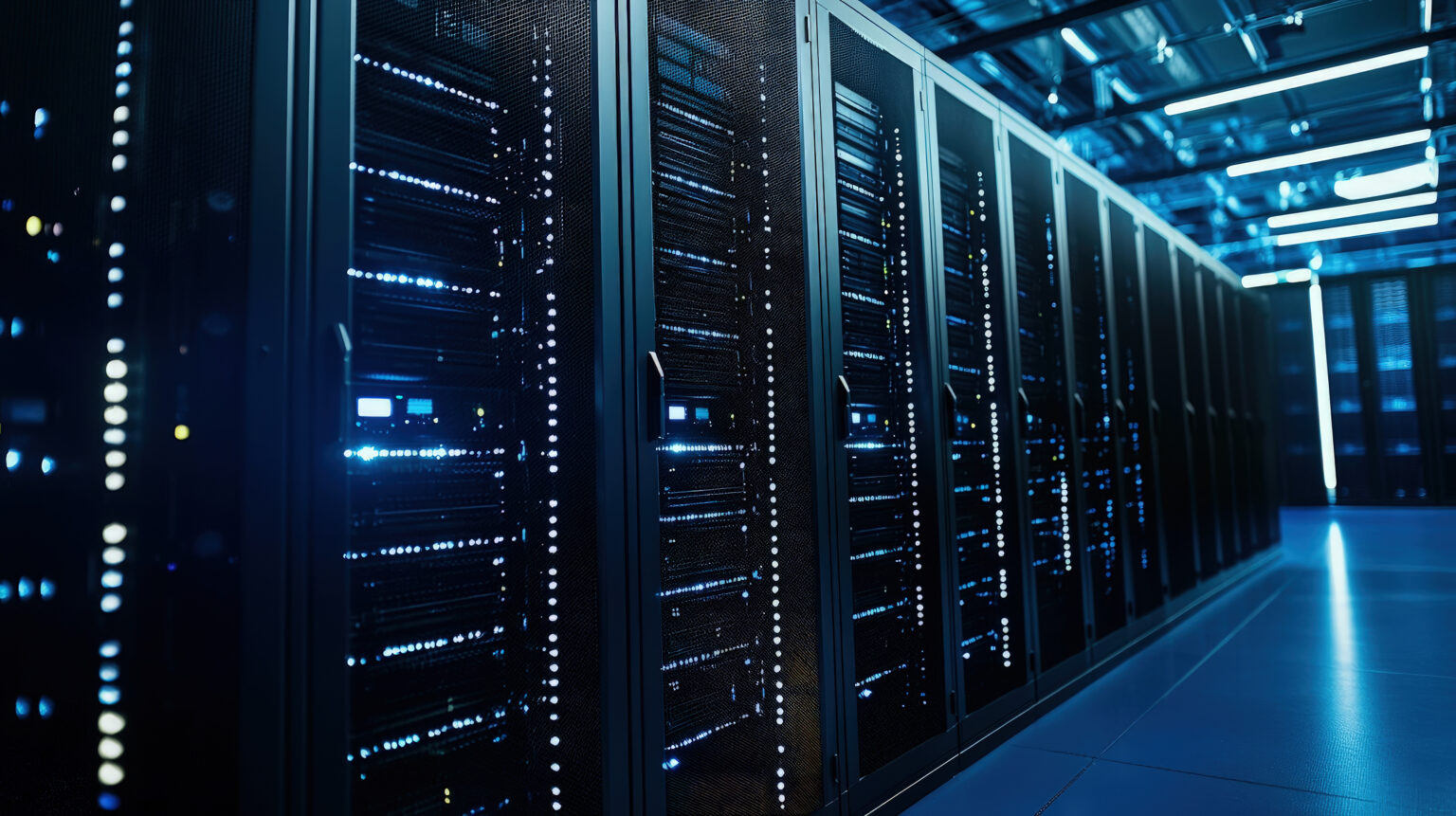
Powering the everyday tools and services we rely on. Right here in DeKalb County.
SECURITY
Data centers that are based in the United States help protect our national security and win the global technology race against China.
ACCOUNTABILITY
Data centers pay for all costs of their construction and associated energy needs, ensuring consumers rates and local taxpayers are not negatively impacted.
EFFICIENT & SAFE
Like many large facilities, data centers can use water for cooling. However, today’s facilities are designed with technologies that significantly reduce water demand compared to older approaches. For example, across the industry some operators have adopted systems that recycle and reuse water, or advanced cooling techniques that require little to no new water intake. Data center operators work with local utilities to minimize water use, safeguard community supplies, and support long-term sustainability as cooling technologies continue to evolve and become more efficient.
JOBS
Georgia’s data centers support more than 175,000 jobs and contribute more than one billion dollars to the state’s economy. Data centers provide thousands of temporary constructions jobs that benefit the community, and estimates show that for every direct job in the data center there are 6 additional jobs supported elsewhere in the local economy.